
Behind the Scenes: The Cremation Process Explained
Key Takeaways / Summary:
- The individual is prepared by removing medical devices and placing them in a combustible container.
- Intense heat within a specialized cremation chamber reduces the body to its essential elements.
- The remaining elements are processed into fine ashes and returned to the family for a lasting tribute.
Choosing how to honor a loved one is a deeply personal journey filled with meaningful decisions. As more families look into alternative death care options, understanding how cremation works can provide immense comfort during a difficult time.
Create a Legacy wants to help you make choices that bring peace of mind and comfort. Learning about the cremation process allows families throughout Minnesota and the upper Midwest to plan with confidence, ensuring their departed family members receive a respectful and dignified farewell.
How a Body is Prepared for Cremation
The process begins with careful preparation to ensure dignity and safety. First, professionals identify the individual and receive proper authorization. Technicians remove medical devices like pacemakers or prosthetics because these items can react negatively to the high heat. Jewelry and personal effects are also removed according to the instructions of the family.
The individual is then placed into a simple, combustible container designed specifically for this purpose. This container is kept securely closed throughout the initial steps, maintaining a respectful environment before entering the next stage of care.
How Does Cremation Work?
Once preparation is complete, the container is placed inside a specialized cremation chamber, which is also called a retort. This chamber uses extreme heat and direct flame to reduce the body to its basic elements. The temperature inside the cremation chamber reaches between 1,400 and 1,800 degrees Fahrenheit. This intense heat carefully transforms the organic matter, leaving behind only stable mineral fragments.
How Long Does the Cremation Process Take?
Families often wonder about the timeline of this process. On average, the time inside the cremation chamber takes anywhere from two to three hours. The exact duration depends on factors such as the size of the individual and the type of container chosen. After the cycle finishes, a cooling period of one to two hours is required before technicians can safely handle the remaining elements.
The Body After Cremation
Once the cooling period ends, technicians carefully retrieve the remaining elements from the chamber. A magnet is used to find and remove any microscopic metal fragments, such as surgical pins or staples. The remaining minerals are then placed into a specialized processor. This machine reduces everything into a uniform, fine texture, which is the ashes that families receive. These ashes are carefully placed into a temporary container or a chosen urn, ready to be returned to you.
Honoring Life With a Cremation Memorial
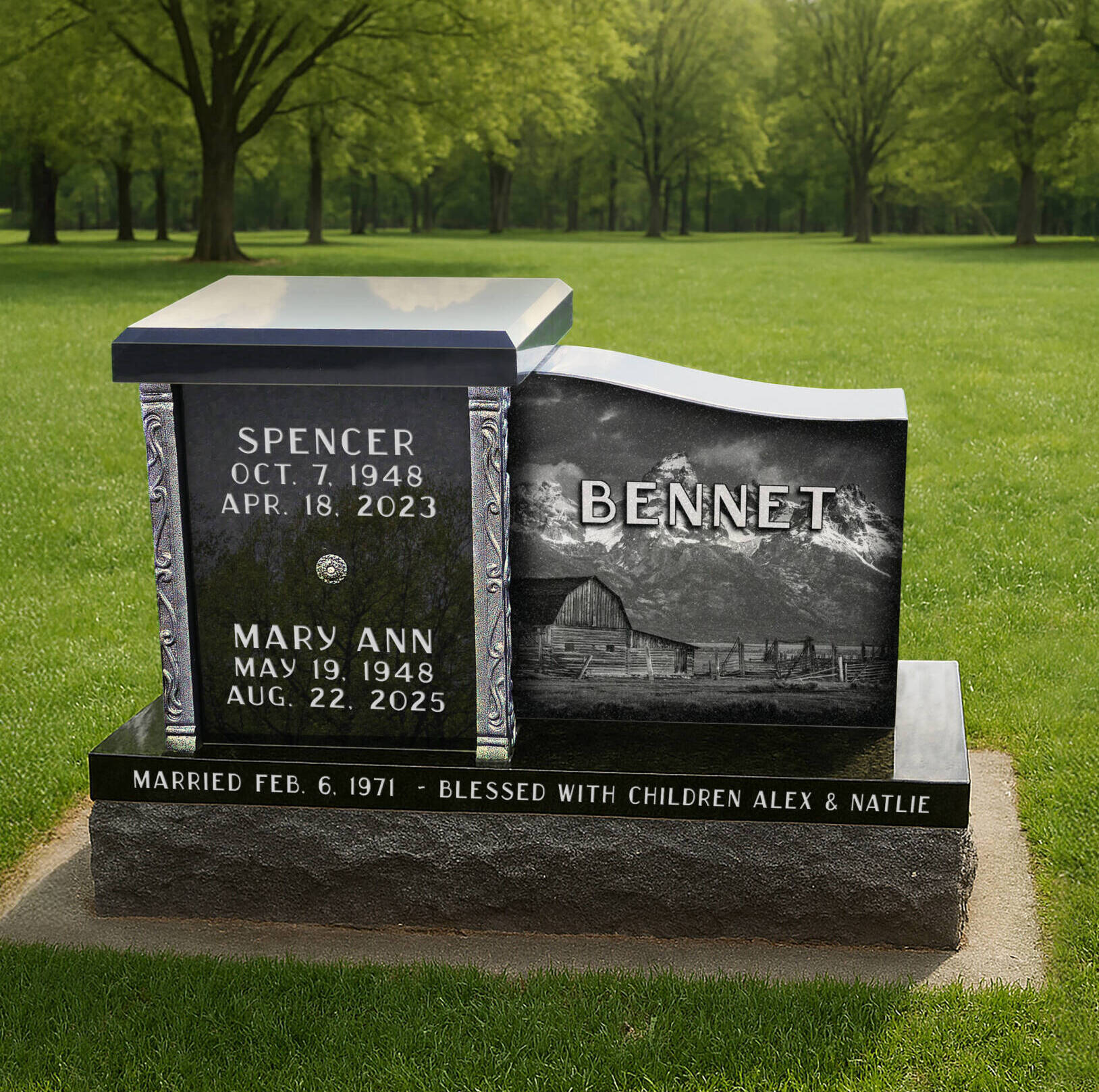
Receiving the cremated remains opens the door to creating a permanent tribute. You can choose to place the ashes in a cemetery, a dedicated garden, or a personal space. We believe every life deserves to be remembered with beauty and respect. We design custom cremation memorials that tell a unique story honoring your loved one.
Whether you want a traditional design or a unique stone structure to hold an urn, we work collaboratively with you to design a lasting tribute. We are dedicated to crafting cremation memorials created by a team that genuinely cares. It has been our privilege to help celebrate and honor many extraordinary lives.
If you are ready to begin planning a beautiful monument, please reach out to share your ideas.